


When your skin finally starts to clear up after weeks of frustration, it can feel like a miracle. You may have tried countless products acne creams, toners, exfoliants, or prescription treatments only to see little improvement. Then, suddenly, antifungal treatments seem to work in just a couple of weeks.
But here’s the truth: If your skin clears up dramatically within 2–3 weeks of using antifungal treatments, it’s often a major clue that your issue was misdiagnosed from the start.
In this post, we’ll break down why that happens, how to spot the difference between bacterial and fungal acne, and how microbiome-safe, oil-free skincare like Skynbio helps restore real, lasting balance without harsh fixes that only mask the problem.
Step 1: Understand What Antifungal Treatments Actually Do
Antifungal treatments are designed to target and inhibit yeast overgrowth, specifically Malassezia, a type of fungus naturally present on everyone’s skin.
When this yeast multiplies excessively usually due to a disrupted microbiome or too much oil it triggers inflammation that looks almost identical to acne: small, itchy bumps or pustules that cluster on the forehead, chest, or back.
If antifungal products show quick improvement, that’s because they’re addressing yeast, not bacteria which is what traditional acne treatments target.
Step 2: Recognize the Signs of Misdiagnosis
Dermatologists often diagnose acne based on appearance alone, which can lead to mistreatment. Common acne medications like benzoyl peroxide, antibiotics, or oily creams may actually feed the yeast or worsen irritation.
If antifungal treatments work in 2–3 weeks, here are signs your acne might have been fungal all along:
- Persistent, uniform bumps that don’t respond to acne meds
- Itching, especially after sweating
- Flare-ups after using oils or rich moisturizers
- Temporary relief with antifungal shampoo or cream
This pattern reveals that the issue wasn’t acne bacteria it was Malassezia imbalance.
Step 3: Break the Cycle with a Microbiome-Safe Routine
Once you identify that yeast overgrowth is the issue, the goal isn’t just to kill it temporarily it’s to restore balance to the skin’s microbiome and barrier so it doesn’t return.
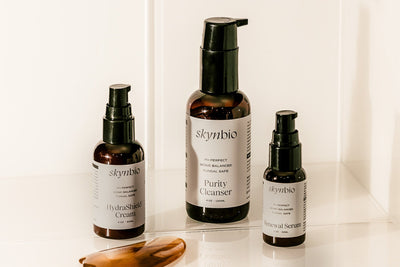
That’s where microbiome-safe, oil-free skincare like Skynbio comes in. Each formula is designed to calm, hydrate, and rebalance without feeding yeast or disrupting the skin’s ecosystem.
Here’s how a reset routine should look:
- Cleanse gently with a pH-balanced cleanser – Removes buildup without stripping the skin barrier.
- Soothe and restore with a microbiome-friendly serum – Supports healing and prevents yeast imbalance.
- Hydrate with an oil-free moisturizer – Locks in moisture while maintaining a balanced, non-occlusive surface.
Step 4: Avoid Common Mistakes After Using Antifungal Treatments
After symptoms fade, many people go back to their old skincare habits using heavy creams, oils, or harsh exfoliants. Unfortunately, this can bring the yeast right back.
Avoid these common mistakes to maintain long-term clarity:
- ❌ Using oil-based products (especially fatty acids that feed Malassezia)
- ❌ Over-cleansing or exfoliating (weakens the barrier)
- ❌ Ignoring the microbiome (creating imbalance again)
- ✅ Stick to oil-free, microbiome-safe formulations
- ✅ Keep your routine simple and consistent
Step 5: Support Your Skin From Within
Your skin reflects your internal balance, too. Supporting your body’s natural defenses can make antifungal results last longer.
Try these supportive practices:
- Eat a balanced, low-sugar diet to reduce yeast growth.
- Manage stress it directly affects oil production and skin barrier strength.
- Wash workout clothes often and shower soon after sweating.
By taking a holistic approach, you help your skin stay clear without constant reliance on antifungal treatments.
Additional Tips: Best Practices for Sustainable Skin Health
- Patch test new products: Sensitive, fungal acne-prone skin reacts easily always test before full application.
- Check ingredient lists: Avoid esters, polysorbates, or fatty acids that can feed Malassezia.
- Protect the barrier: Use gentle, pH-balanced cleansers and lightweight hydration daily.
- Consistency beats intensity: A calm routine outperforms aggressive treatments every time.
Conclusion: Heal the Cause, Not Just the Symptoms
When antifungal treatments clear your skin in just a few weeks, it’s more than a quick fix it’s a message from your skin that the real issue was never bacterial acne at all.
True healing starts with understanding your skin’s unique microbiome and choosing formulas that nurture balance, not strip it away.
That’s the philosophy behind Skynbio: microbiome-safe, oil-free skincare for calm, clear, and resilient skin because your skin deserves lasting harmony, not temporary relief.
Ready to restore balance at the source? Experience Skynbio’s oil-free, microbiome-safe skincare and help your skin thrive naturally.