


Watching your teen struggle with persistent breakouts can be difficult. Beyond the physical symptoms, skin concerns often affect confidence, social interactions, and self-esteem during a stage of life when fitting in can feel especially important.
If your teen has small, uniform bumps that seem resistant to traditional acne treatments, fungal acne may be part of the picture. Unlike traditional acne, fungal acne is linked to an overgrowth of Malassezia, a yeast naturally found on the skin.
The good news is that fungal acne skincare does not need to be harsh, complicated, or overwhelming. With the right approach, parents and teens can work together to create a simple routine that supports microbial balance, protects the skin barrier, and encourages healthier-looking skin over time.
Here are practical ways to help a teen manage fungal acne while reducing frustration along the way.
1. Understand That Fungal Acne Is Different From Traditional Acne
One of the biggest mistakes people make is treating fungal acne exactly like traditional acne.
Many acne products focus on aggressively drying the skin or removing oil. Unfortunately, this approach can sometimes disrupt the skin microbiome and contribute to a damaged skin barrier.
Effective skincare for fungal acne focuses on supporting the skin environment rather than overwhelming it. Choosing microbiome-safe skincare and skincare that doesn't feed Malassezia can help create conditions that are more supportive of healthy skin balance.
The more your teen understands what may be happening with their skin, the less likely they are to blame themselves for their breakouts.
2. Keep the Fungal Acne Skincare Routine Simple
When breakouts appear, it's tempting to try every trending product available.
However, more products do not necessarily lead to better results.
A simple fungal acne skincare routine often works best:
- Gentle cleanser
- Lightweight hydration
- Fungal acne safe moisturizer
- Daily sun protection
Keeping the routine simple helps reduce irritation while making it easier for teens to stay consistent.
Consistency is often more important than complexity.
3. Focus on Skin Barrier Repair
A damaged skin barrier can make the skin more reactive, sensitive, and prone to ongoing irritation.
Many teens unknowingly over-exfoliate or use harsh products in an attempt to clear their skin faster.
Instead, prioritize skin barrier repair through gentle barrier repair skincare that helps maintain hydration and comfort.
Signs of a damaged skin barrier may include:
- Redness
- Tightness
- Stinging
- Increased sensitivity
- Persistent dryness
Healthy skin begins with a healthy barrier.
4. Choose Microbiome-Safe Skincare
The skin is home to a complex ecosystem of microorganisms known as the skin microbiome.
When this ecosystem becomes unbalanced, the skin may become more vulnerable to irritation and recurring issues.
Microbiome-safe skincare is designed to support the skin's natural balance without unnecessary disruption.
Look for microbiome-friendly skincare that prioritizes gentle cleansing, lightweight hydration, and barrier support.
This approach aligns closely with long-term skin health rather than short-term fixes.
5. Avoid Ingredients That May Feed Malassezia
Not all skincare products are ideal for fungal acne-prone skin.
Certain ingredients may contribute to an environment that supports Malassezia growth.
Choosing Malassezia-safe skincare and fungal acne safe skincare can help reduce potential triggers.
This doesn't mean obsessively checking every ingredient list. Instead, focus on trusted products specifically formulated as skincare that doesn't feed Malassezia.
A simpler approach often reduces stress for both parents and teens.
6. Support Emotional Well-Being
Teen skin concerns are rarely just about skin.
Many teens feel embarrassed, frustrated, or discouraged when breakouts persist despite their efforts.
Parents can help by:
- Listening without judgment
- Avoiding criticism about appearance
- Celebrating small improvements
- Reinforcing confidence beyond physical appearance
Remember that emotional support can be just as important as fungal acne skincare itself.
A supportive environment often makes the journey feel far less overwhelming.
7. Encourage Patience
One of the most challenging aspects of skincare is waiting for results.
Social media often promotes unrealistic expectations of overnight transformations.
In reality, improving fungal acne-prone skin takes time.
Encourage your teen to:
- Follow a consistent routine
- Avoid constantly switching products
- Track progress monthly rather than daily
Patience helps prevent the cycle of product hopping that can further stress the skin.
8. Pay Attention to Lifestyle Factors
While skincare plays an important role, everyday habits also matter.
Helpful habits may include:
- Changing pillowcases regularly
- Showering after sweating
- Wearing breathable fabrics
- Managing stress when possible
- Prioritizing adequate sleep
These small habits can complement a fungal acne skincare routine and support overall skin health.
9. Be Mindful of Seborrheic Dermatitis Symptoms
Some teens experience concerns that overlap with seborrheic dermatitis.
Common signs may include:
- Flaking
- Redness
- Irritation around the nose
- Scalp involvement
Using gentle seborrheic dermatitis skincare and microbiome-friendly skincare may help support skin comfort while protecting the skin barrier.
If symptoms become severe or persistent, consulting a dermatologist is always recommended.
10. Focus on Progress, Not Perfection
Healthy skin is not perfect skin.
Many teens become discouraged when they expect flawless results immediately.
Instead, encourage them to notice improvements such as:
- Reduced redness
- Fewer new bumps
- Less irritation
- Improved skin comfort
Small improvements often signal that the skin is moving in the right direction.
Additional Tips for Parents and Teens
Best practices include:
- Choose oil-free skincare whenever possible
- Prioritize barrier repair skincare over harsh treatments
- Stick with a consistent routine
- Introduce new products slowly
- Focus on long-term skin health
Common mistakes to avoid:
- Over-exfoliating
- Using too many active ingredients at once
- Constantly changing products
- Picking or squeezing bumps
- Assuming every breakout is traditional acne
Bottom Line
Helping a teen manage fungal acne is about much more than finding the right product. It involves patience, emotional support, consistency, and choosing fungal acne skincare that respects the skin's natural balance.
A simple routine built around microbiome-safe skincare, skin barrier repair, oil-free skincare, and skincare that doesn't feed Malassezia can help create a healthier environment for the skin over time.
Support Their Skin Gently With Skynbio
At Skynbio, we believe skincare should work with your skin not against it. Our microbiome-safe skincare formulas are thoughtfully designed to support microbial balance, strengthen the skin barrier, and help individuals with fungal acne-prone and sensitive skin feel confident in their routine.
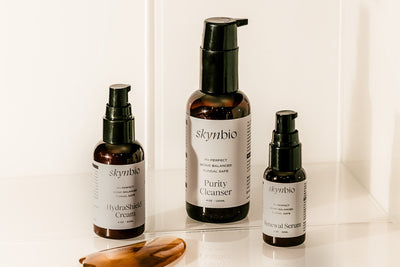
Our Purity Cleanser, Renewal Serum, and HydraShield Moisturizer work together to provide gentle cleansing, lightweight hydration, and barrier-first support for fungal acne-prone skin.
```