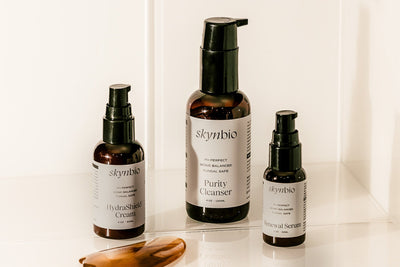



Managing fungal acne-prone skin can feel like walking a tightrope. You want to benefit from potent actives like acids, retinoids, and exfoliating serums, but layering them incorrectly can compromise your skin barrier, trigger irritation, or worsen fungal acne flare-ups. At Skynbio, we believe you don’t have to choose between efficacy and gentleness. With a mindful approach to layering, microbiome-friendly skincare, and fungal acne-friendly products, you can achieve a calm, balanced, and resilient complexion.
In this guide, you’ll discover how to safely incorporate multiple actives into your routine, when to pause, how to alternate products, and which gentle “buffers” help protect your skin while supporting your microbiome. If you’ve been searching for a practical fungal acne skincare routine that respects your barrier, you’re in the right place.
1. Start With a Clean, Gentle Base
Before layering any active ingredient, cleanse your skin with a microbiome-safe, oil-free cleanser. Avoid harsh foaming cleansers or scrubs, which can strip your skin barrier and disturb the microbiome, creating an environment where fungal acne thrives. Gentle cleansing ensures your skin is ready to absorb actives without triggering sensitivity or irritation.
2. Introduce Actives Gradually
Whether you’re using AHAs, BHAs, or retinoids, start slowly. For fungal acne skincare, overloading your skin with multiple actives at once can compromise your barrier and worsen flare-ups. Begin with a single active a few times per week, observe your skin’s response, and only layer additional actives after your skin tolerates the first.
3. Alternate Actives to Prevent Overload
Instead of stacking strong acids with retinoids in the same routine, alternate days. For example, use an AHA/BHA on Monday, Wednesday, and Friday, and a retinoid on Tuesday and Thursday. This approach maintains the benefits of each active while reducing irritation and protecting your barrier-supporting skincare efforts.
4. Use Buffer Products to Soften the Impact
“Buffering” involves using gentle, nourishing products before or after actives to reduce potential irritation. Incorporate lightweight, fungal acne-friendly products like hydrating serums or barrier-supporting creams that are malassezia-safe skincare. These buffers help maintain hydration, reinforce the barrier, and create a microbiome-friendly environment while still allowing your actives to work effectively.
5. Layer From Thinnest to Thickest Textures
When combining products, texture matters. Apply your active ingredient first, then follow with hydrating serums or barrier-supporting skincare, and finally a moisturizer. Lightweight, oil-free skincare formulations are ideal for Korean skincare for fungal acne routines, ensuring you don’t overload your skin with occlusive ingredients that feed Malassezia.
6. Pay Attention to pH Levels
Acids work best at lower pH, while some skincare ingredients can neutralize their efficacy if applied simultaneously. Avoid mixing strong acids with high-pH cleansers or actives that could reduce their effectiveness. This attention to detail keeps your fungal acne skincare routine both effective and gentle.
7. Introduce “Pause Days” for Recovery
Your skin barrier and microbiome need recovery time. Schedule at least one or two days per week where you use only gentle, microbiome-friendly skincare products, avoiding all actives. This helps maintain a calm, resilient skin environment and reduces the risk of irritation or fungal acne flare-ups.
8. Observe and Adjust
Track your skin’s response in a simple journal. Note flare-ups, redness, or any signs of irritation. This personalized approach allows you to fine-tune your routine while staying true to fungal acne-friendly products and gentle skincare routines that reinforce your barrier.
Additional Tips, Best Practices & Common Mistakes
- Patch-test any new active for 24–48 hours before regular use.
- Always follow with a lightweight, barrier-supporting moisturizer.
- Use sunscreen daily; UV exposure can exacerbate barrier damage and irritation.
- Avoid stacking multiple strong actives in the same routine.
- Don’t skip gentle cleansing residue from previous products can disrupt the microbiome.
- Steer clear of heavy oils, fermented essences, or occlusive creams if you have fungal acne-prone skin.
Layering active ingredients doesn’t have to be intimidating. By following a mindful, structured approach and incorporating microbiome-safe, oil-free skincare, fungal acne-friendly products, and malassezia-safe skincare into your routine, you can enjoy the benefits of acids, retinoids, and other actives without compromising your skin barrier or triggering flare-ups.
At Skynbio, our products are designed to support fungal acne-prone skin with gentle, effective, and microbiome-friendly formulations. Explore our Korean skincare for fungal acne collection, including oil-free cleansers, hydrating serums, and barrier-supporting moisturizers, and start building a calm, balanced, and resilient complexion today.